

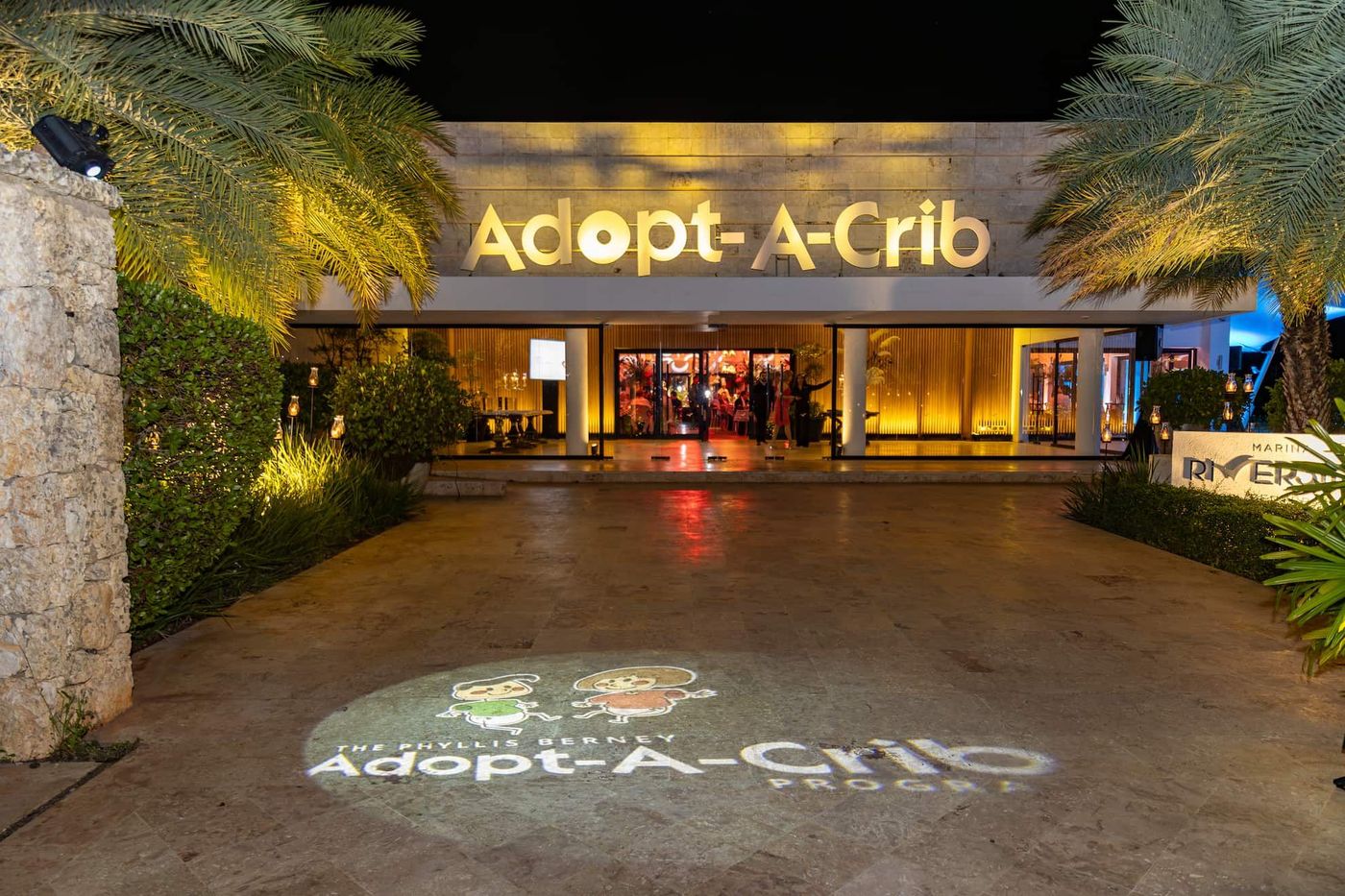
The Phyllis Berney Adopt-A-Crib Programme, founded in 1998 by Mrs Phyllis Berney, exists to provide essential support to the Hogar del Niño, an institution dedicated to the well-being and education of thousands of children in La Romana and the surrounding area of the Dominican Republic. Since its creation the programme has become the Hogar’s principal source of income, securing the continuity of its essential services: nutrition, medical care, psychological support and quality education with a technological focus.
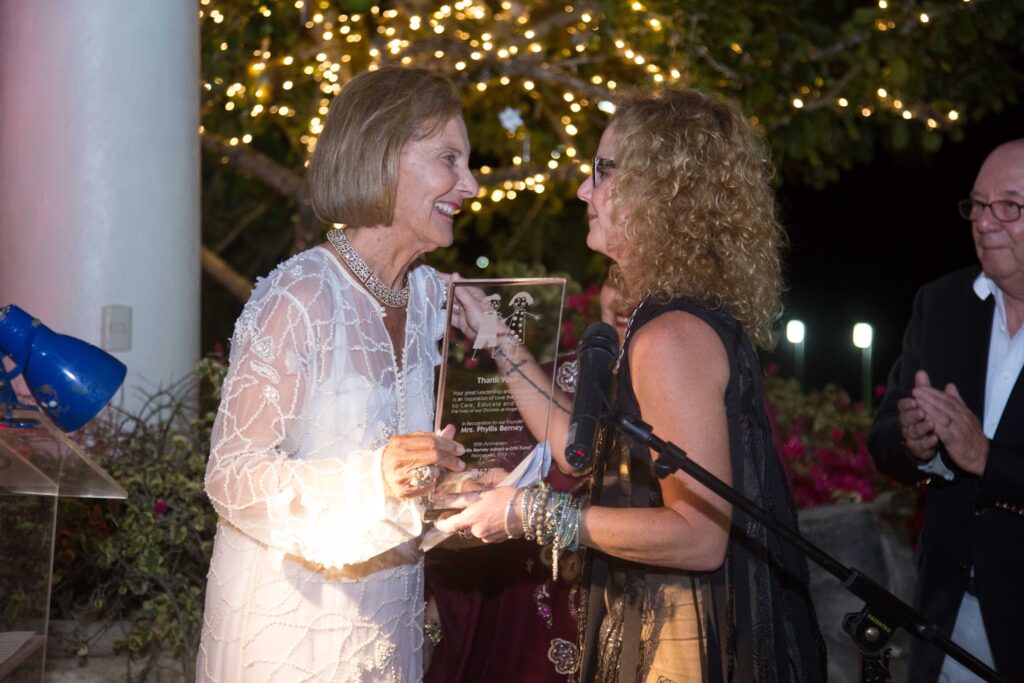
Over 28 years the programme has raised more than US$24.3 million, allowing the Hogar del Niño to expand and improve its facilities and establish itself as the most complete educational and social centre in the region. In 2024, for the first time, the programme passed US$2 million in a single year, a reflection of donors’ enduring commitment to and confidence in the institution’s mission.
The programme is built on the idea of “adopting a crib”, a symbolic act representing a direct investment in a child’s future. With this contribution, donors provide a safe, healthy and enriching environment, ensuring children receive what they need for their physical, emotional and educational development.
Inspired by the vision of Mrs Berney, who said that “Hogar del Niño is the heartbeat that gives hope for the future”, the programme has transformed the lives of thousands of children, giving them the tools they need for a future full of opportunity.
Membership of the Phyllis Berney Adopt-A-Crib Programme requires a minimum annual donation of US$1,000. That contribution, alongside the generosity of other donors, covers the daily running costs of the school and nursery, which care for more than 2,000 children, and drives the continued growth and development of the Hogar del Niño’s programmes.
“To adopt a crib is to invest in the future.” — Phyllis Berney
In pictures
Adopt-A-Crib fundraising galas, from 2006 to 2026.
This programme exists because someone sustains it
The Patronato is funded by donations from individuals and companies, and by the income from its own self-sustaining projects. Every contribution turns into meals, classes and medical care that happen tomorrow morning.